Yesterday, we shared several helpful tips for transplanting. Here are the next things you should do to help your seedlings grow strong. Continue reading
A Beginner’s Guide to Transplanting: Part 2

Yesterday, we shared several helpful tips for transplanting. Here are the next things you should do to help your seedlings grow strong. Continue reading

Whether you germinated seeds yourself or bought starts locally, knowing how to properly transplant your little plants is a must for everyone. Your plants need the right conditions to grow big enough to fully establish themselves. Here is an easy guide to transplanting seedlings. Continue reading

Earlier we gave you a look into what NPK is in our post: “What is NPK?” Now that you know that NPK stands for nitrogen, phosphorus, and potassium, it’s time to learn why these three macro-nutrients are so important to plant health. Continue reading

Most of the fertilizers, soils and additives you use in the garden are labeled with an “NPK” value. But what is this mysterious combination of numbers and how does it affect your garden? Continue reading
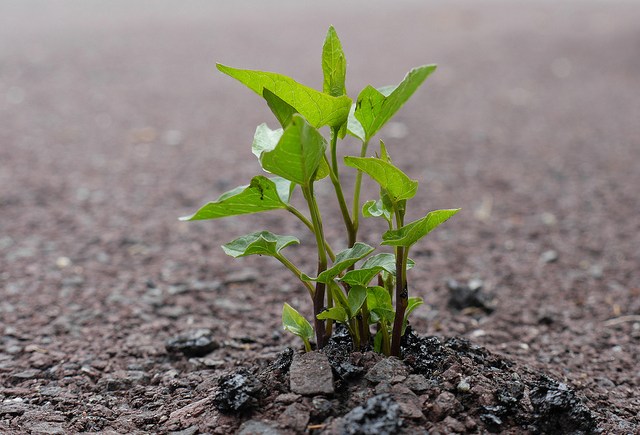
We all want our growing area to be full of wonderful rare species that bloom constantly and never need to be watered. But the reality is nature has a different story.
Every year, we spend countless hours making the decision on which plant to keep and which ones to pull out. Knowing some of the most common species of weeds that invade your garden will save you time and effort. Here is a list some of the most common weeds that most people do not want in their gardens: Continue reading
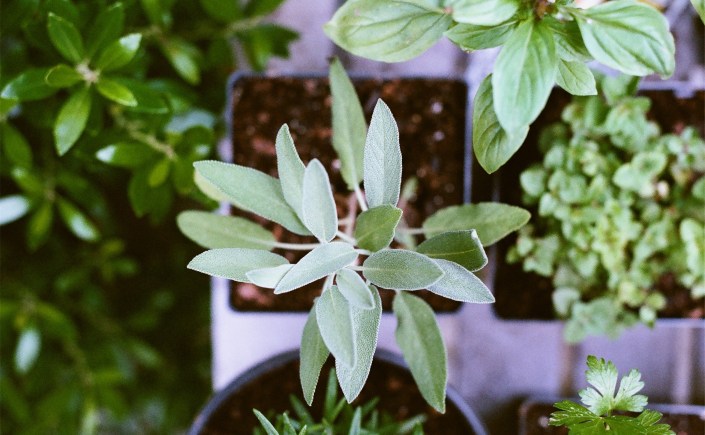
Many of us avid gardeners and DIYers have heard the word “permaculture” here and there. But what is permaculture? The term can be hard to explain and therefor hard to understand. Most of us think it sounds cool and is probably a good idea, but when confronted with the direct question to describe this funky idea, are left stumped. Continue reading
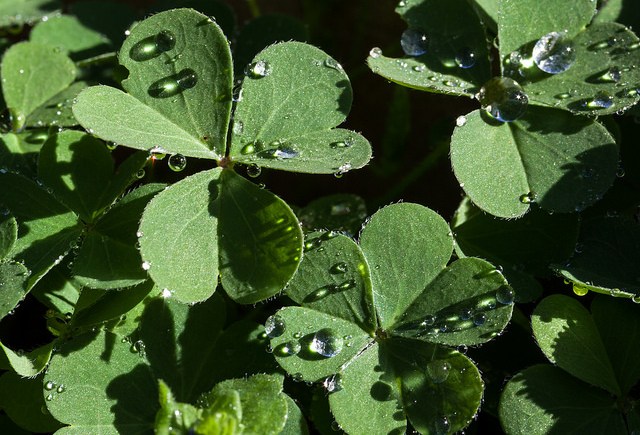
Many of us have begun to realize that mono-cropping and other conventional farming practices are not only degrading the landscape but lack practicality. So as a solution, we have to turn to the natural processes going on around us.
One of these solutions is to balance out the landscape with a diversity of plant species, each with its own function. Since it is almost Saint Patrick’s Day, I wanted to focus on what clovers can do for the earth and how it may benefit your growing area. Continue reading
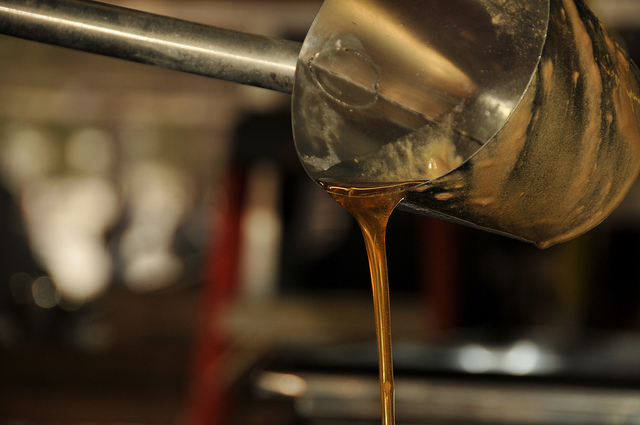
Once you’ve become a pro at harvesting your own maple sap, you can start cooking! You’ll need 40 gallons of sap to make one gallon of syrup. One tap will produce around 20 gallons of sap. Once you’ve harvested enough sap to make the final product, get the sap ready to boil. Never boil sap inside as the sticky moisture created will stick to everything inside of your house. Continue reading

Sap from many different species of trees can be made into one of the best natural sweeteners ever: syrup. Harvesting sap is a simple and low maintenance task that anyone with a few trees on their property can take advantage of. Follow these 3 steps for an abundance of all-natural maple syrup! Continue reading
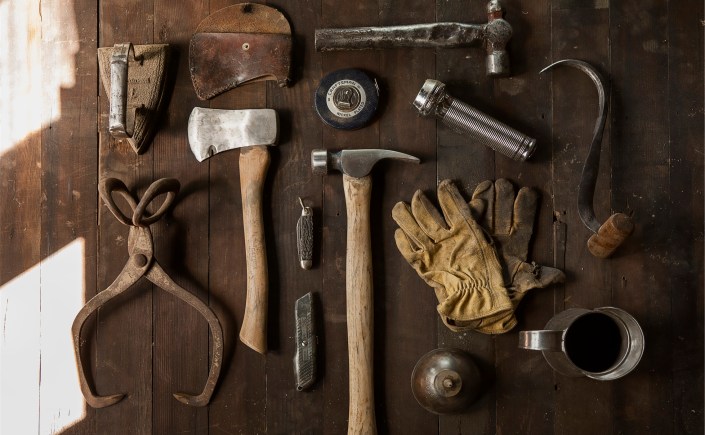
It’s about time to get outside and start working in the garden! As we dig out our weather-beaten garden tools, it becomes obvious that we may not have taken very good care while putting them away last fall. There may be some old mud chunks left on a shovel, or maybe our pruners just don’t close as freely as they used too. Taking proper care of your garden tools will reduce the time and frustration you put into your growing area. Continue reading
 Aquaberry Bliss